How to Choose a Portable Bluetooth Speaker
Choose a portable speaker by matching its documented features to your listening habits. Explore audio output, Bluetooth, AUX, USB-C charging, portability and lighting with a practical buying checklist.
Identify what you need from a portable speaker
Choosing a portable speaker starts with how you expect to use it. Think about where you usually listen, which device holds your music and how often you want to move the speaker between places. A speaker for everyday listening at home and away should fit those habits, so begin with the features you will use most often.
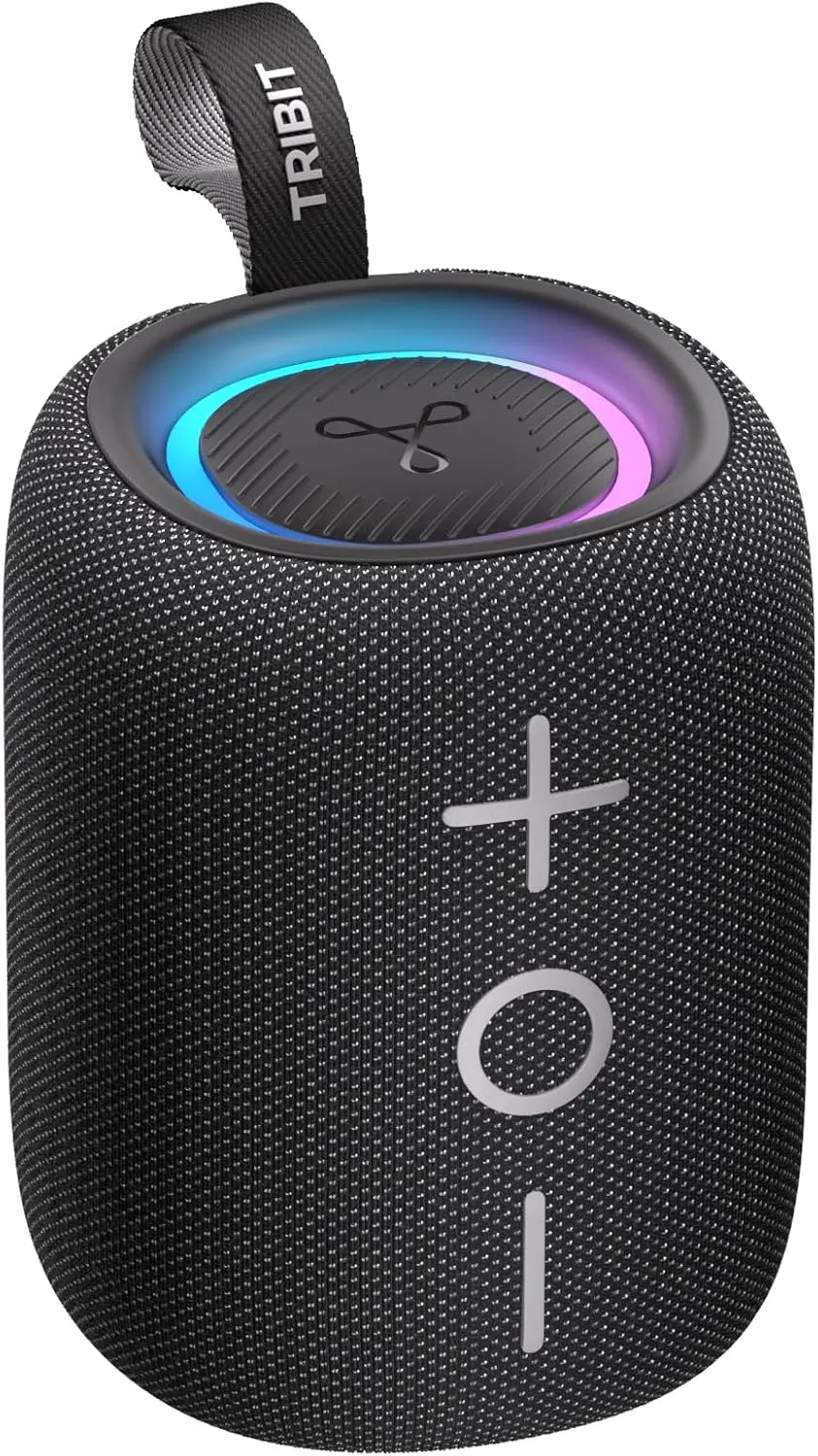
The 12W Portable Bluetooth Speaker with USB-C Charging is described as a compact, rechargeable speaker for this kind of everyday use. Its documented features are 12W audio output, Bluetooth wireless connectivity, USB-C charging, an AUX input and light effects. These give you a useful starting point for deciding whether its combination of connections, charging and presentation matches your preferences.
Put your priorities in order before comparing products. If you mostly play audio from a phone, the wireless connection may lead your decision. If you also want to connect an audio source by cable, the AUX input deserves attention. If you expect to move the speaker regularly, its compact, portable design may be particularly relevant.
It also helps to separate essential features from optional extras. Lighting might be part of the appeal for one shopper, while another may care more about having both wireless and wired connection choices. Your own routine is the most useful basis for choosing.
Understand the documented features
The speaker has a stated audio output of 12W. This is a concrete specification you can use when comparing product descriptions. On its own, however, it does not establish how the speaker will sound to you or how well it will suit a particular space. Treat it as one part of the decision alongside connectivity, portability and your listening needs.
Bluetooth provides wireless connectivity. This matters if you want a wireless audio connection between the speaker and a compatible source device. The supplied information confirms Bluetooth connectivity, so base your assessment on that feature without assuming a particular Bluetooth version, connection distance or additional wireless functions.
An AUX input offers a wired audio connection option. It may be useful if you have a source device with a suitable audio output or prefer to connect by cable in some situations. Check the connections on the device you plan to use, and establish what cable your setup requires before choosing.
USB-C charging is another documented feature. Look at the charging equipment you already use and consider how the speaker would fit into that routine. The connector type is useful information, but it does not by itself tell you the charging time or which accessories accompany the product.
The compact, portable design supports the product's positioning for everyday listening at home and away. Light effects add a visual element. Playback time varies with volume and lighting settings, so both listening level and lighting use matter when thinking about how you will use the rechargeable speaker.
Questions to check before choosing
Start with your audio source. Will you mainly use Bluetooth, or do you also need AUX? Checking your phone, tablet, computer or other intended source device helps you decide whether the available connections match your setup. A feature is most useful when it supports equipment you actually plan to use.
Next, consider your listening sessions. Do you usually listen for short periods, or do you want audio throughout a longer activity? The supplied facts state that playback time varies with volume and lighting settings, but give no fixed duration. Avoid planning around an assumed number of hours, and seek a documented figure if duration is central to your choice.
Think about the light effects as a separate preference. Consider whether you want a visual element during your usual listening activities. Because lighting settings affect playback time, include that preference when assessing the speaker's suitability for your routine.
Finally, consider what portability means for you. Moving a speaker between rooms and carrying it away from home can involve different practical needs. The product is described as compact and portable; if exact dimensions or weight are decisive for where you intend to place or carry it, check those details before making your decision.
A practical decision checklist
Use the checklist below to bring your priorities together. It keeps the comparison focused on the supplied features while identifying any details that matter to your particular setup. You do not need every feature to carry equal weight: choose according to how you expect to listen.
The 12W Portable Bluetooth Speaker with USB-C Charging is worth considering if your priorities include a compact rechargeable design, Bluetooth connectivity, an AUX option and light effects. Its suitability depends on how closely that combination matches your everyday habits. Give particular thought to your preferred connection and the effect of volume and lighting settings on playback time.
- Define your main use: everyday listening at home, away, or a mixture of both.
- Consider the documented 12W audio output alongside your other priorities.
- Check that your intended source device supports the connection you want to use.
- Decide whether the AUX input will be useful for your existing audio equipment.
- Review how USB-C charging fits into your charging routine.
- Consider whether a compact, portable design suits how often you expect to move the speaker.
- Decide how much the light effects matter to your listening experience.
- Account for playback time varying with volume and lighting settings.
- Check any additional details that are essential to your decision before choosing.